
For centuries, India’s royal and noble families were among the greatest patrons of architecture in the world. From majestic forts and palaces to temples, gardens, stepwells, and city planning, their vision shaped much of India’s cultural landscape.
Today, while kingdoms no longer exist politically, many members of India’s royal and aristocratic families continue to play an important role in preserving architectural heritage, restoring historic structures, and promoting cultural tourism.
Modern royalty in India is no longer about ruling territories — it is increasingly about protecting identity, history, craftsmanship, and heritage.
The Legacy of Royal Architecture in India
India’s royal families were responsible for some of the country’s most iconic architectural achievements:
- The palaces of Rajasthan
- The forts of Rajputana
- The Indo-Islamic structures of princely states
- Royal gardens and lakes
- Heritage havelis and courtyards
- Temple complexes and ceremonial architecture
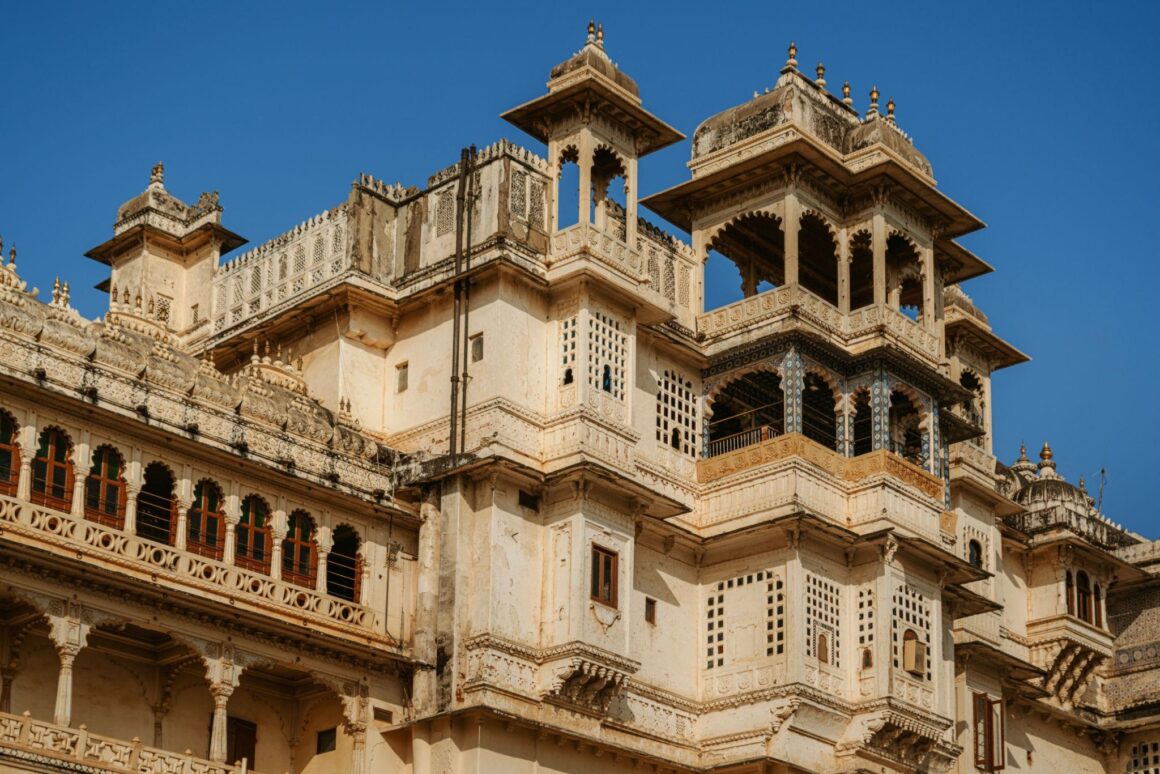
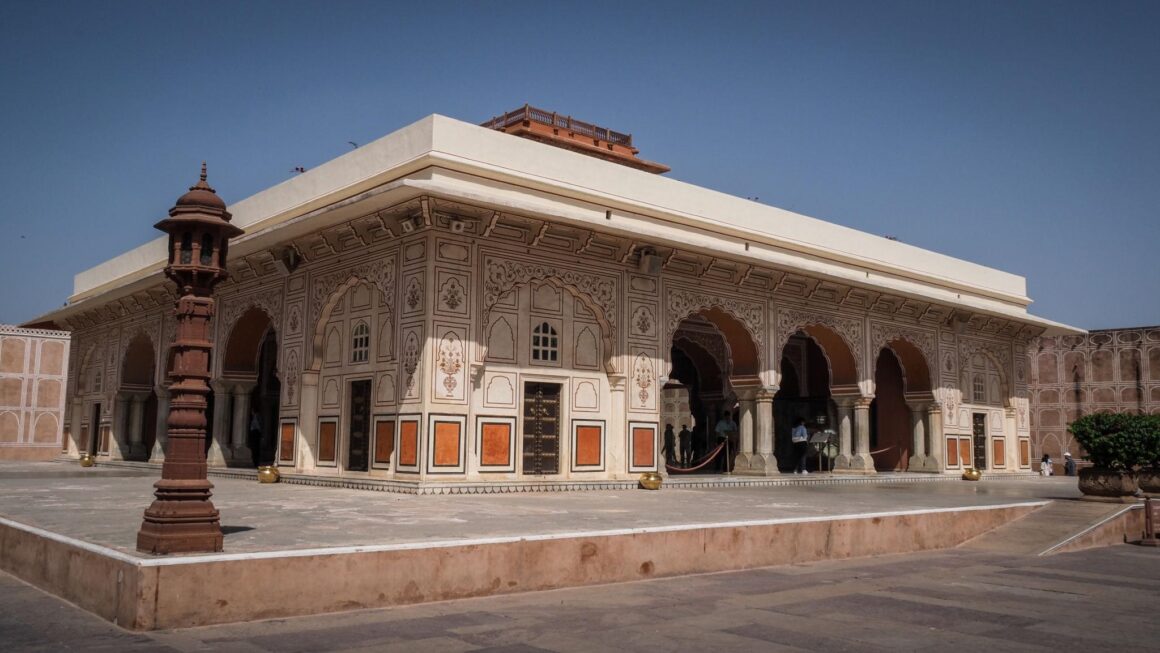
Cities such as Jaipur, Udaipur, Jodhpur, and Lucknow still carry the architectural identity shaped by royal patronage centuries ago.
Many of these structures were not only symbols of power, but also centers of art, diplomacy, education, and culture.
Modern Royals as Custodians of Heritage
Several members of Indian royal and noble families are now actively involved in:
- Heritage restoration
- Palace conservation
- Museum development
- Adaptive reuse of historic properties
- Promotion of traditional craftsmanship
- Cultural tourism initiatives
Rather than allowing historic buildings to decay, many royal families have transformed ancestral properties into heritage hotels, museums, and cultural spaces that generate employment while preserving history.
Maharaja Gaj Singh II and Heritage Conservation
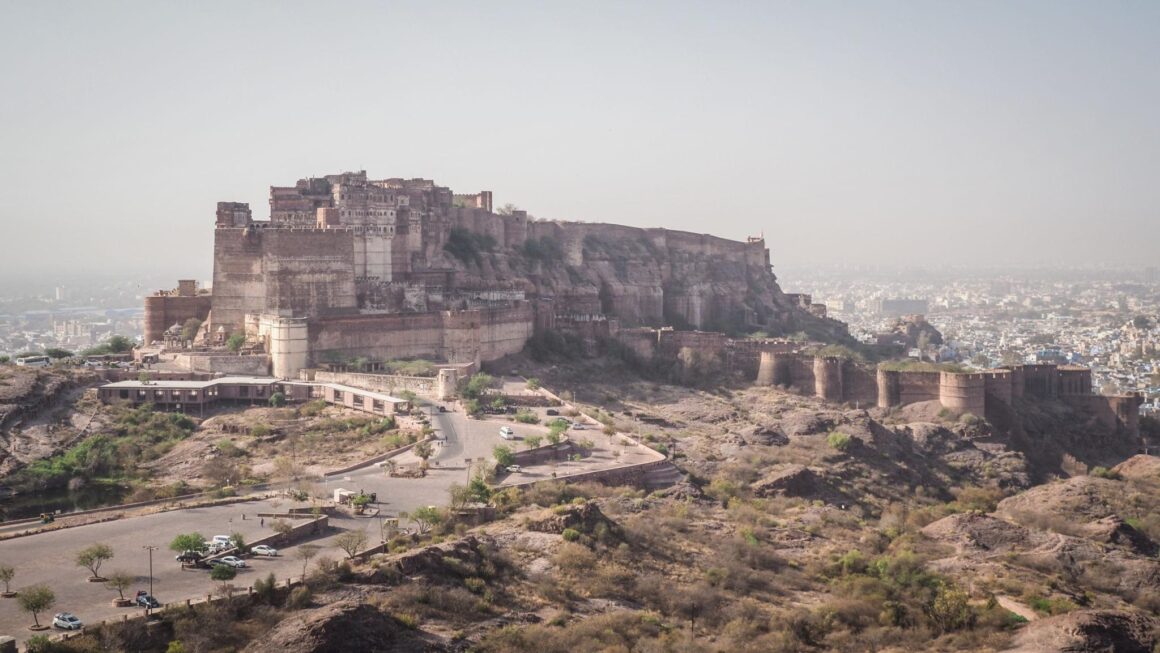
One of the most widely respected examples is the work done by the Jodhpur royal family in preserving landmarks such as Mehrangarh Fort and Umaid Bhawan Palace.
Through conservation-focused initiatives, these historic structures have become global symbols of Indian heritage tourism and architectural preservation.
Lakshyaraj Singh Mewar and the Mewar Legacy
The Mewar royal family has also played a major role in preserving the heritage of Udaipur. Their efforts have helped maintain palace complexes, museums, and cultural institutions that celebrate the architectural and artistic traditions of Rajasthan.
Their work demonstrates how heritage preservation can coexist with modern tourism and economic sustainability.
Princess Diya Kumari and Cultural Preservation
In Jaipur, members of the royal family continue to support heritage projects connected to museums, palace conservation, and cultural education.
The preservation of royal architecture in Jaipur has helped strengthen the city’s global image as one of India’s most culturally rich destinations.
Architecture as Economic and Cultural Power
Heritage architecture today is not only about preserving old buildings. It also creates:
- Tourism opportunities
- Employment for artisans and craftsmen
- Hospitality and luxury experiences
- Cultural education
- International recognition for Indian heritage
Restoration projects often support local economies while protecting ancient craftsmanship techniques that might otherwise disappear.
The Role of Noble Families
Beyond royal households, several noble and aristocratic families across India continue to maintain historic havelis, estates, and cultural institutions.
In states such as Rajasthan, Uttar Pradesh, Gujarat, and Madhya Pradesh, noble families are helping preserve regional architectural styles and local traditions.
These efforts are especially important at a time when rapid urbanisation threatens many historic structures.
A New Definition of Royal Responsibility
The role of Indian royalty has evolved significantly over the decades.
Today, many royals and nobles see themselves as custodians rather than rulers — individuals responsible for protecting heritage, culture, and identity for future generations.
Their contribution to architecture is no longer limited to building grand palaces. It now includes restoration, conservation, sustainability, and cultural storytelling.
In many ways, India’s royal and noble families continue to shape the nation’s architectural future by protecting its past.
Leave a Reply