India Royal Families India Royal Families
  • Home
  • About IRF
  • Heritage
    • Royal Families of India
    • Royal History and Legacy
  • Art and Culture
    • Royal partons of Art
    • Royal Recipes
    • Cultural Heritage of India
  • Explore and Experience
    • Tour and Travel
    • Hotels & Resorts
    • Events and Festivals
  • Royal Profiles
    • Featured Royal Families
    • Royal Hoteliers
    • Famous Rajput Personalities
    • Royals Interviewed
  • More
    • Videos
    • Advertise With Us
Stay Connected with Royal Heritage
Loading
Social Links
Facebook 0 Likes
Instagram 0 Followers
Twitter 0 Followers
  • Facebook
  • Instagram
  • Twitter
0 Likes
0 Followers
0 Followers
India Royal Families India Royal Families
India Royal Families
  • Home
  • About IRF
  • Heritage
    • Royal Families of India
    • Royal History and Legacy
  • Art and Culture
    • Royal partons of Art
    • Royal Recipes
    • Cultural Heritage of India
  • Explore and Experience
    • Tour and Travel
    • Hotels & Resorts
    • Events and Festivals
  • Royal Profiles
    • Featured Royal Families
    • Royal Hoteliers
    • Famous Rajput Personalities
    • Royals Interviewed
  • More
    • Videos
    • Advertise With Us
  • Heritage & Culture
  • History

Shindeshahi Pagdi: The Royal Turban of Maharashtra
  • February 1, 2025
  • admin
Shindeshahi Pagdi: The Royal Turban of Maharashtra
Shindeshahi Pagdi – A Crown of Pride and Tradition in Maharashtra’s History
Total
0
Shares
0
0
0

Shindeshahi Pagdi: The Royal Turban of Maharashtra

<yoastmark class=

Shindeshahi Pagdi: A Symbol of Maharashtra’s Royal Legacy

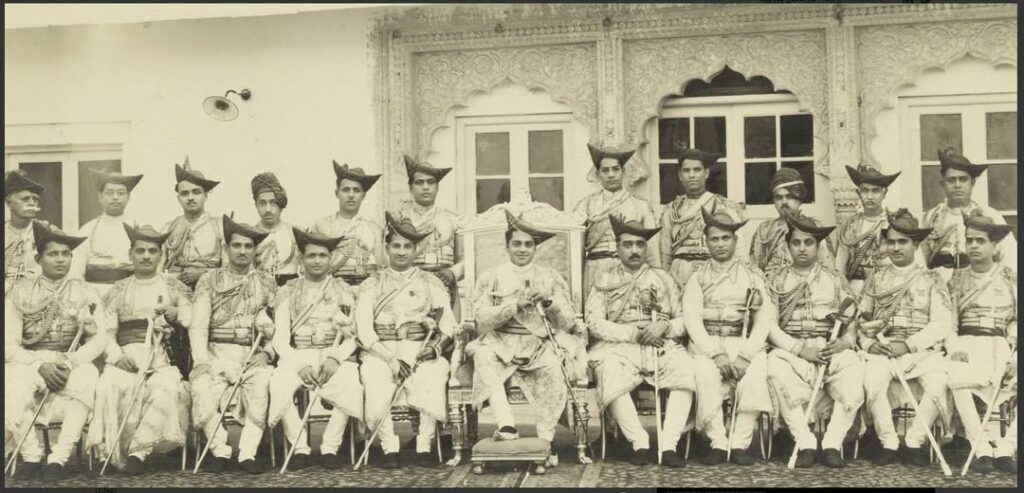
The Shindeshahi Pagdi represents honor, leadership, and tradition in Maharashtra. The Shinde (Scindia) dynasty and other noble figures from the Maratha Empire proudly wore this turban as a mark of prestige. Even today, people continue to embrace it as a symbol of cultural identity, wearing it during ceremonies, festivals, and historical events.

Historical Significance

The Shindeshahi Pagdi gets its name from the Shinde (Scindia) dynasty, a powerful Maratha clan known for its military strength and political influence. More than just an accessory, this turban signified authority and respect. Kings, warriors, and dignitaries wore it during significant occasions to assert their leadership.

During the 18th and 19th centuries, legendary leaders like Mahadji Shinde and Daulat Rao Shinde made this majestic turban a defining element of their royal attire. The pagdi became a symbol of discipline, honor, and leadership, setting its wearer apart as a distinguished figure.

Design and Features of the Shindeshahi Pagdi

The Shindeshahi Pagdi stands out due to its unique structure and aesthetic appeal. Key features include:

  • Rich Colors: Designers use saffron, red, and gold to represent bravery and prosperity.
  • Luxurious Fabric: Craftsmen weave the pagdi from fine silk or cotton, giving it a regal look.
  • Intricate Folding Style: The turban’s structured folds add elegance and power to the wearer’s appearance.
  • Ornamental Additions: Many versions feature brooches, pearls, or gold linings, enhancing their grandeur.

Cultural Importance in Modern Times

Despite its historical roots, the Pagdi continues to hold immense cultural value. People wear it proudly during:

  • Traditional Festivals: Celebrations like Gudi Padwa, Shiv Jayanti, and Ganesh Chaturthi showcase men donning the pagdi.
  • Royal Weddings: Grooms wear the Shindeshahi Pagdi to honor their heritage and symbolize dignity.
  • Political and Social Gatherings: Leaders and dignitaries use it to connect with Maharashtra’s glorious past.
  • Cultural Reenactments: Historical processions, dramas, and folk events feature the pagdi as an emblem of Maratha valor.

Conclusion

The Shindeshahi Pagdi represents more than just a headpiece—it embodies tradition, courage, and identity. Worn by great Maratha leaders, it continues to inspire pride and respect across generations. Whether at festivals, weddings, or cultural events, this timeless turban reminds people of the Maratha Empire’s rich legacy.

Total
0
Shares
Share 0
Tweet 0
Pin it 0
Related Topics
  • aristocratic fashion
  • ceremonial turban
  • cultural identity.
  • cultural symbol
  • ethnic fashion
  • heritage clothing
  • historical headgear
  • Historical Significance
  • Indian textiles
  • legacy of Shinde dynasty
  • Maharashtra
  • Maharashtrian tradition
  • Maratha Empire
  • Maratha Heritage
  • noble class
  • Peshwa era
  • regal headwear
  • royal turban
  • Shindeshahi Pagdi
  • Shivaji Maharaj
  • traditional attire
  • warrior legacy
admin

Previous Article
  • Heritage & Culture

Unraveling the Mystique: The Ruins of Aring Fort, Goverdhan

  • February 1, 2025
  • admin
View Post
Next Article
  • Heritage & Culture
  • History

Maharani Jindan Kaur: The Fearless Queen Who Defied the British

  • February 1, 2025
  • admin
View Post
You May Also Like
Top 10 Haunted Places in India
View Post
  • Heritage & Culture
  • Rajasthan

Top 10 Haunted Places in India – With IndiaRoyalFamilies.com

  • admin
  • November 23, 2025
View Post
  • Heritage & Culture

The Royal Architecture of Rajgarh and Narsinghgarh

  • admin
  • July 20, 2025
View Post
  • Heritage & Culture

Rajgarh under the Marathas and the British

  • admin
  • July 20, 2025
View Post
  • Heritage & Culture

The Architectural Heritage of Rajgarh

  • admin
  • July 19, 2025
View Post
  • Heritage & Culture

The Royal Legacy of Rajgarh: Princely State in Madhya Pradesh

  • admin
  • July 19, 2025
View Post
  • Heritage & Culture
  • Uncategorized

Peeli Kothi, Agra

  • admin
  • June 16, 2025
View Post
  • Art & Design
  • Famous Royal Personalities
  • Heritage & Culture

Wildcraft: A Legacy in Silk, A Tribute to the Wild

  • admin
  • June 16, 2025
View Post
  • Heritage & Culture
  • History
  • Our Tour Packages
  • Travel

List of Forts of Rajasthan with travel details

  • admin
  • April 29, 2025

Leave a Reply Cancel reply

Your email address will not be published. Required fields are marked *

Recent Posts

  • Mayo College – Photo Album – Year 1909
  • Taj Mahal – Watercolor
  • Jodhpur Tailors – Jaipur: The Timeless Craft of Jodhpuri Coats & Achkans
  • Poems of Indian Royal Families
  • Designers of Royal Families of India: The Artists Behind Regal Fashion, Jewellery & Heritage Couture

Recent Comments

  1. Golden Triangle Tour on India’s Best Heritage Stays in the Best Golden Triangle Tour
  2. A WordPress Commenter on Hello world!
Featured Posts
  • Mayo College – Photo Album – Year 1909
    • December 8, 2025
  • Taj Mahal – Watercolor
    • November 25, 2025
  • Jodhpur Tailors – Jaipur: The Timeless Craft of Jodhpuri Coats & Achkans
    • November 25, 2025
  • Poems of Indian Royal Families
    • November 24, 2025
  • Designers of Royal Families of India: The Artists Behind Regal Fashion, Jewellery & Heritage Couture
    • November 24, 2025
Recent Posts
  • Photographers of Royal Families of India: Guardians of Regal Heritage Through the Lens
    • November 24, 2025
  • Royal Families of Uttar Pradesh: The Majestic Lineages That Shaped India’s Heartland
    • November 24, 2025
  • Top 10 Haunted Places in India
    Top 10 Haunted Places in India – With IndiaRoyalFamilies.com
    • November 23, 2025
Categories
  • Art & Design (49)
  • blog (31)
  • Entertainment (21)
  • Famous Rajput Personalities (99)
  • Famous Royal Personalities (69)
  • Featured (3)
  • Featured News On Indian Royal Families (10)
  • Food (30)
  • Form (1)
  • Heritage & Culture (255)
  • History (238)
  • Homestay (1)
  • Hotels & Resorts Owned by Indian Royals (27)
  • Life & Style (30)
  • Orissan Ganapati (1)
  • Our Tour Packages (3)
  • Rajasthan (179)
  • Royal Families of India (1)
  • Royal Hoteliers (18)
  • Royal Recipes (14)
  • Royals Interviewed (5)
  • Travel (30)
  • Uncategorized (140)
  • Vintage Automobiles of Royalty (1)

Hey, there :) Get a FREE Consultancy about your Online Presence!

Save 15% on your new order!

About
India Royal Families
  • Facebook
  • Instagram
  • Twitter
©2025- India Royal Families. Designed By Awaraj

Input your search keywords and press Enter.